
Playful Households: Experiments That Turn Everyday Routines Into Joy
Create a Shared Question
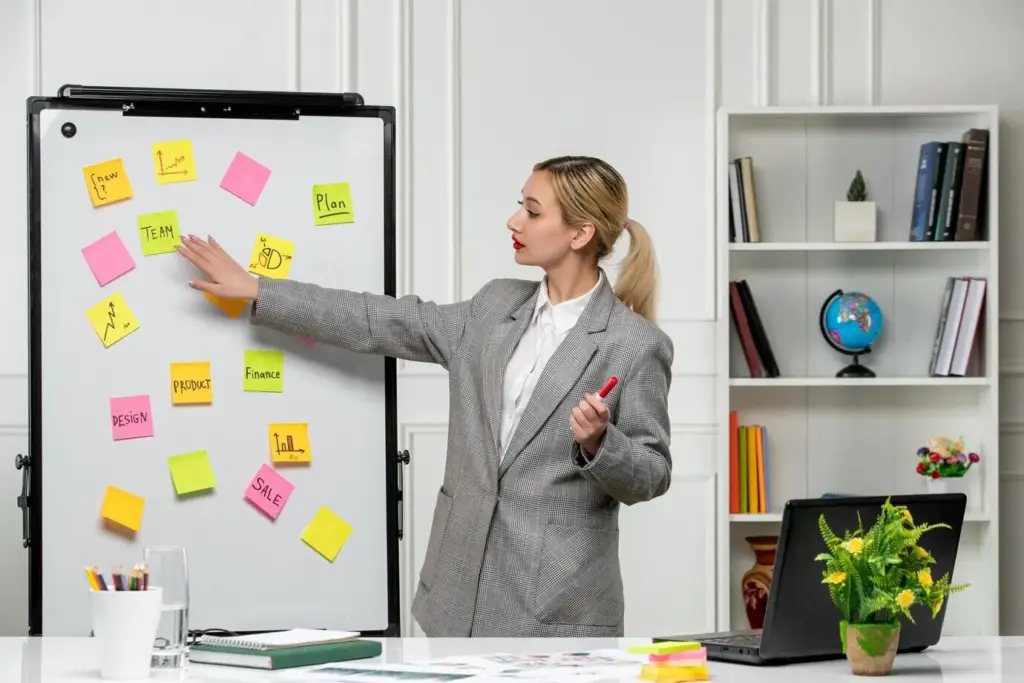
Instead of announcing rules, invite a question like, “How might we finish school-night dinner cleanup in twenty minutes without stress?” A common question transforms autonomy into teamwork, encourages fairness around tasks, and helps kids articulate ideas. The question becomes your compass, guiding experiments and keeping expectations friendly, flexible, and measurable.
Define Safe Boundaries
Healthy experiments rely on safety and clarity. Agree in advance on non-negotiables—no running with sharp tools, respectful voices, and stop signals anyone can use. Boundaries bring freedom, paradoxically, because everyone knows the edges. That shared trust empowers kids to try bold ideas without anxiety, knowing adults will keep the framework steady and kind.
Pick a Playful Scope
Start small to build confidence. Limit your experiment to a single routine—breakfast setup, laundry sorting, or backpack prep—and run it for one week. Narrow scope protects energy, keeps stakes low, and creates satisfying closure. Early, easy wins encourage participation, and insights from one zone often spill into others, multiplying benefits organically.
Designing Weekly Playbooks



Kitchen Experiments That Feed More Than Hunger


Conflict-Proofing Your Experiments

Measure What Sparks, Not Just What Works
Joy, Energy, and Togetherness Scores
Let each person rate joy, energy, and togetherness from one to five after an activity. These subjective scores open gentle conversations about needs. We learned late-night experiments tanked energy. After shifting earlier, joy rebounded. Soft data, not just speed, became our compass, guiding kinder adjustments that stuck and genuinely improved daily life.
Mini-Posters as Visual Dashboards
Create playful posters with boxes for checkmarks, stickers, or doodles. Keep them at kid eye level. Visuals reduce reminders and invite participation spontaneously. Our youngest started adding star stickers for extra kindness, and the poster itself became the family storyteller, celebrating streaks and nudging us compassionately when momentum dipped unexpectedly.

From House to Neighborhood: Share, Learn, Connect
Host a Micro Challenge Exchange
Kid-Led Show-and-Tell Nights
Open-Source Playbooks
All Rights Reserved.